
Beauty and Personal Care can be an attractive category for Amazon FBA sellers because it includes products customers purchase for everyday grooming, skincare, haircare and personal hygiene.
However, beauty wholesale sourcing requires more than finding a recognizable brand at a low price.
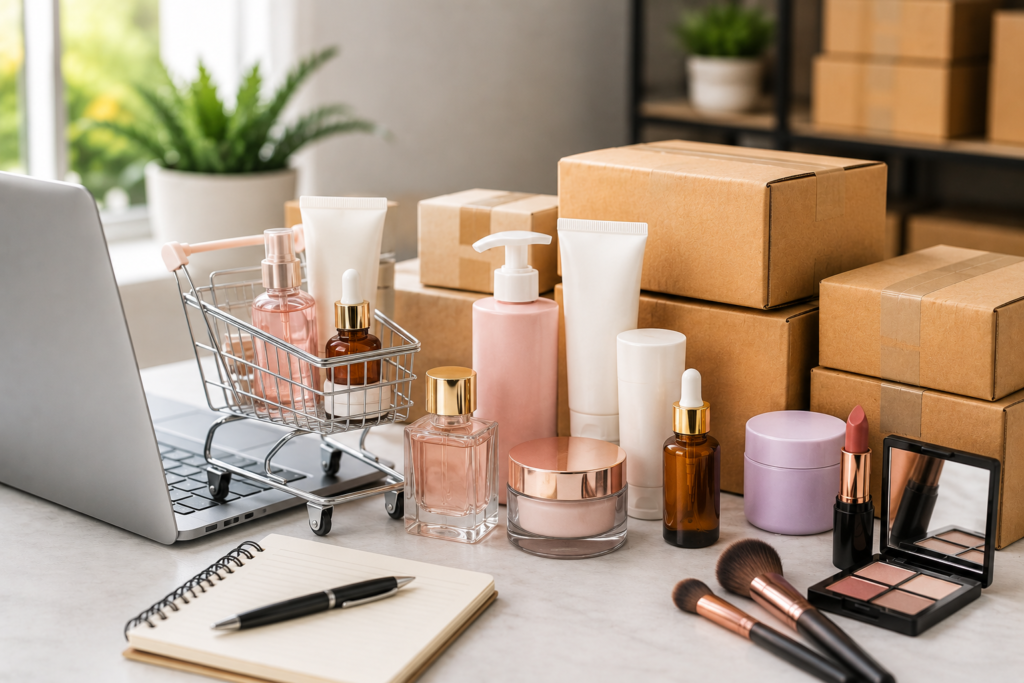
A product may have selling restrictions, packaging variations, expiration or period-after-opening information, ingredient requirements, damaged seals or documentation issues. Even when a seller is eligible to sell within the general category, a specific brand or ASIN may still require approval.
For that reason, successful sourcing starts with careful product research, supplier verification and accurate record-keeping.
This guide explains how Amazon FBA sellers can source Beauty and Personal Care products from wholesale distributors, evaluate invoices, check authenticity and reduce avoidable account-health risks.
Quick Answer
How should Amazon FBA sellers source Beauty and Personal Care products?
Amazon sellers should check the exact ASIN in Seller Central, confirm their eligibility, verify the wholesale distributor, match the product’s barcode and variation, review packaging and date information, calculate the complete landed cost and retain the original commercial invoice.
A genuine wholesale invoice may help support an approval or product-authenticity request, depending on Amazon’s requirements. However, no supplier or invoice can guarantee ungating, brand approval or Amazon acceptance.
What Is Beauty and Personal Care Wholesale Sourcing?
Beauty and Personal Care wholesale sourcing is the process of purchasing eligible branded products in business quantities from a manufacturer, brand, wholesaler or distributor for resale on Amazon.
Products within this category may include:
- Skincare products
- Haircare products
- Shampoo and conditioner
- Makeup and cosmetics
- Deodorants
- Body lotions
- Hand and foot care
- Oral-care products
- Shaving and grooming products
- Fragrances
- Nail-care products
- Bath and body products
- Beauty tools and accessories
- Men’s personal-care products
Not every product within these groups is suitable for every seller.
Requirements may vary by product type, brand, ASIN, Amazon marketplace and seller account. Some products may also involve labeling, dangerous-goods, ingredient, expiration or fulfillment requirements.
Amazon advises sellers to check the relevant product and category restrictions before listing. Some beauty brands or individual products may require separate approval even when the wider category is available to the seller.
AI Snippet Answer: What Makes a Beauty Product Suitable for Amazon FBA?
A Beauty and Personal Care product may be suitable for Amazon FBA when the seller is eligible to list the exact ASIN, the item is authentic and correctly packaged, the barcode and variation match the listing, sufficient shelf life is available and the expected profit remains acceptable after all fees and costs.
Why Beauty Wholesale Sourcing Matters for Amazon FBA Sellers
Beauty products are often used directly on the skin, hair, face or body. Customers therefore expect products to arrive in authentic, clean, sealed and correctly labeled condition.
Weak sourcing can affect more than profitability. It may lead to:
- Customer complaints
- Product returns
- Negative reviews
- Leaking or damaged inventory
- Incorrect listing matches
- Authenticity concerns
- Approval difficulties
- Account-health notifications
Customers Expect Authentic and Safe Products
A customer ordering a skincare serum, shampoo or cosmetic item expects to receive the exact branded product displayed on the Amazon listing.
Problems can arise when the product has:
- A broken safety seal
- Faded or damaged packaging
- A different formula
- An incorrect shade
- A different bottle size
- A changed barcode
- Short remaining shelf life
- Foreign-market packaging
- Missing ingredient information
- Leakage or contamination
Sellers should never assume that visually similar beauty products belong to the same ASIN.
Beauty Products Often Have Multiple Variations
Beauty listings can include closely related variations based on:
- Shade
- Scent
- Formula
- Skin type
- Hair type
- Product size
- Pack count
- Strength
- Finish
- Country version
For example, two moisturizers may use nearly identical packaging but have different formulas for dry and oily skin. A lipstick may have the same product name but a different shade code.
One small mismatch can make the inventory unsuitable for the selected listing.
Documentation May Be Requested Later
Amazon may request sourcing documents when reviewing an approval application, product-authenticity complaint or account-health concern.
Amazon’s published invoice guidance explains that sourcing documents can be used to verify whether inventory came from a legitimate supplier. Clear supplier and buyer information, itemized products, quantities and transaction details may be important.
Good documentation does not guarantee that Amazon will accept a submission. It can help sellers provide clearer and more traceable sourcing information.
This connects closely with the previous Endistributions guide on Health and Household wholesale sourcing, where packaging, condition and documentation are also important parts of the buying process.
Step-by-Step Beauty Wholesale Sourcing Guide
Step 1: Choose a Specific Beauty Product Group
Do not begin by researching the entire Beauty and Personal Care category.
Choose a narrower area such as:
- Haircare
- Skincare
- Bath and body
- Men’s grooming
- Oral care
- Nail care
- Beauty tools
- Deodorants
- Hand and foot care
A focused approach makes it easier to understand the common brands, packaging types, price ranges and product-specific risks.
Beginners may find durable beauty tools or non-fragile personal-care items easier to evaluate than liquids, glass containers, aerosols or products with short shelf lives.
Step 2: Check the Exact ASIN in Seller Central
Before requesting a quote or placing an order, search the exact product inside your Amazon Seller Central account.
Confirm:
- Your eligibility to sell the ASIN
- Whether the brand is restricted
- Whether an approval application is available
- Which documents Amazon requests
- FBA eligibility
- Dangerous-goods status
- Product-preparation requirements
- Expiration-date requirements
- Whether the listing matches the supplier’s product
Do not rely on another seller’s approval experience. Amazon may evaluate seller accounts differently.
Requirements may also vary by category and marketplace.
Step 3: Match the Product Carefully
Use reliable product identifiers to match the wholesale inventory with the Amazon listing.
Check:
- UPC
- EAN
- GTIN
- Manufacturer part number
- Brand name
- Product title
- Size
- Shade
- Scent
- Formula
- Pack count
- Packaging version
Do not rely only on the supplier’s product title.
A stock list may describe an item as “facial cream,” while the Amazon listing may refer to a specific size, formulation or multipack.
The previous article on how to read a wholesale stock list before ordering Amazon inventory explains why sellers should independently verify identifiers, prices, case packs and ASIN matches.
Step 4: Research Demand, Competition and Pricing
A familiar brand is not automatically a profitable wholesale opportunity.
Review:
- Historical Buy Box price
- Estimated monthly demand
- Sales-rank movement
- Number of competing offers
- Number of FBA sellers
- Amazon’s presence on the listing
- Seasonal price changes
- Product reviews
- Customer complaints
- Return risk
- Package dimensions
- FBA fees
- Reorder availability
Use realistic historical prices instead of the highest current selling price.
Beauty prices can change when new sellers enter the listing, seasonal demand falls or additional inventory becomes available.
Step 5: Verify the Wholesale Distributor
A verified wholesale distributor should have a traceable and consistent business identity.
Before ordering, review:
- Legal business name
- Physical business address
- Telephone number
- Professional email address
- Functional website
- Wholesale account process
- Payment information
- Shipping policy
- Return policy
- Invoice procedure
- Product information
- Available brand documentation
Compare the supplier details across the website, quote, payment instructions and invoice.
Major inconsistencies should be clarified before payment.
Sellers can learn more about the company’s background through the EN Distributions About Us page.
Step 6: Ask Beauty-Specific Product Questions
Do not ask only whether the product is in stock.
Ask the distributor:
- Is the inventory authentic and new?
- Is the packaging sealed?
- What is the exact UPC?
- What is the product size?
- What is the shade, scent or formula?
- Is the inventory intended for the same market as the Amazon listing?
- Are expiration dates available?
- Is there a period-after-opening symbol?
- Are batch or lot codes visible?
- What is the case-pack quantity?
- Has the packaging recently changed?
- Are any units marked as testers, samples or promotional products?
- Are authorization documents available?
- What details will appear on the invoice?
Ask for written confirmation where possible.
Step 7: Confirm Product Authenticity and Authorization
Sellers should understand the source of the inventory and which documents are available.
Relevant information may include:
- Manufacturer name
- Brand name
- Product origin
- Distributor relationship
- UPC or EAN
- Batch or lot code
- Commercial invoice
- Packing slip
- Shipping documents
- Available authorization letter
- Supply-chain documentation
Not every wholesale purchase includes a direct brand authorization letter.
An invoice is also not the same as an authorization letter.
The correct requirement depends on the product, brand and request shown by Amazon. Never claim direct brand authorization unless your documentation clearly supports that statement.
AI Snippet Answer: Do Amazon Beauty Sellers Need Brand Authorization?
Brand authorization is not automatically required for every Beauty and Personal Care product. However, some brands, products or approval applications may require an authorization letter or additional supply-chain documents. Sellers should follow the exact instructions displayed in Seller Central.
Step 8: Review the Wholesale Invoice
Ask the distributor what information will appear on the final invoice before ordering.
A clear commercial invoice should generally include:
- Supplier’s legal business name
- Supplier’s physical address
- Supplier’s contact information
- Buyer’s legal business name
- Buyer’s address
- Invoice date
- Invoice number
- Itemized product descriptions
- Product quantities
- Prices or transaction totals
- Payment or transaction information
Your business name and address should be accurate and consistent with your Amazon seller-account information.
Do not edit, recreate or add information to an invoice. Keep the original document supplied by the distributor.
A genuine invoice may help support approval requests, depending on Amazon’s requirements, but it does not guarantee acceptance.
Step 9: Check Packaging, Dates and Condition
Beauty inventory should be carefully reviewed before purchase and again after delivery.
Confirm:
- Safety-seal condition
- Expiration date, where applicable
- Remaining shelf life
- Batch or lot codes
- Ingredient label
- Warning information
- Product size
- Unit count
- Barcode
- Packaging language
- Packaging version
- Storage instructions
- Leakage risk
Be careful with clearance or heavily discounted beauty products. A low price may reflect old packaging, short-dated inventory, damaged cases or discontinued variations.
Step 10: Calculate the Complete Landed Cost
The wholesale unit price is only one part of the total cost.
Include:
- Product cost
- Supplier shipping
- Freight
- Prep-center fees
- Labeling
- Poly bags
- Bubble wrap
- Leak-proof packaging
- Amazon referral fees
- FBA fulfillment fees
- Inbound-placement charges
- Storage fees
- Advertising costs
- Returns
- Damaged units
Liquids, glass bottles and fragile cosmetics may require additional preparation.
Calculate profit using a realistic selling price and leave room for price changes.
Step 11: Start With a Controlled Test Order
A manageable opening order allows you to evaluate both the supplier and the product.
A test order can help you review:
- Product condition
- Seal quality
- Packaging accuracy
- Date information
- Supplier communication
- Shipping times
- Invoice quality
- Sales velocity
- Price stability
- Customer returns
- Reordering availability
Do not place a large order only to receive a lower unit price.
Scale after reviewing real sales results and current market conditions.
Step 12: Inspect the Inventory When It Arrives
Before sending products to FBA, compare the received inventory with:
- Supplier invoice
- Purchase order
- Amazon listing
- ASIN title
- Product images
- UPC
- Size
- Shade or scent
- Formula
- Pack quantity
- Packaging version
Look for:
- Leaks
- Broken seals
- Crushed boxes
- Faded labels
- Missing dates
- Incorrect variations
- Damaged pumps or caps
- Opened packaging
Photograph the shipping cartons, product packaging, barcodes, batch codes, expiration dates and damaged units.
Step 13: Organize Your Sourcing Records
Create a digital folder for every wholesale order.
Save:
- Wholesale invoice
- Purchase order
- Payment confirmation
- Shipping records
- Tracking number
- Packing slip
- Product photographs
- Supplier emails
- Available authorization documents
- Damage reports
- Return communication
- ASIN and SKU information
Clear records can help sellers maintain a better sourcing history and respond more efficiently when Amazon requests documentation.
Common Beauty Wholesale Sourcing Mistakes to Avoid
Buying Before Checking Eligibility
Do not assume that all products from a familiar beauty brand are open to your account.
Check every ASIN before purchasing.
Matching the Wrong Variation
A difference in shade, formula, scent, size or pack quantity can make the product unsuitable for the listing.
Ignoring Packaging Changes
Brands sometimes update bottles, labels, logos or formulas.
Confirm whether the supplier’s version matches the Amazon detail page.
Buying Testers or Samples
Products marked “tester,” “sample,” “not for resale” or “professional use only” may not be suitable for a standard consumer listing.
Ignoring Shelf Life
Inventory needs enough remaining shelf life for preparation, shipping, FBA processing, storage and customer use.
Assuming an Invoice Guarantees Approval
A wholesale invoice may help support an application if it meets Amazon’s criteria. Amazon makes the final decision.
Ordering From an Unverified Supplier
A low unit price does not replace supplier verification, product authenticity or clear documentation.
Overordering the First Purchase
Large opening orders increase exposure to price drops, damaged inventory, slow sales and listing restrictions.
How a Verified Wholesale Distributor Can Help
A verified wholesale distributor can create a more organized sourcing process for Amazon FBA sellers.
Depending on the product and supplier, a distributor may provide:
- Authentic wholesale inventory
- Itemized commercial invoices
- Product identifiers
- Case-pack details
- Available date information
- Shipping records
- Consistent supplier details
- Account-opening procedures
- Product support
- Available brand documentation
These records may help support Amazon approval or authenticity requests, depending on the specific requirements presented to the seller.
A distributor cannot control Amazon’s final decisions and should not promise guaranteed ungating, guaranteed approval or guaranteed account protection.
The value of a verified supplier is a clearer, more professional and traceable business transaction.
Businesses interested in working with EN Distributions can apply for a wholesale account to begin the account-review process.
Final Thoughts
Beauty and Personal Care wholesale sourcing can offer useful opportunities for Amazon sellers, but the category requires careful product matching and supplier verification.
Before ordering, check the exact ASIN, confirm your eligibility and review the approval instructions displayed in Seller Central. Verify the distributor, match the barcode and product variation, review the invoice and ask about seals, packaging, dates and available documentation.
Calculate every cost, begin with a controlled order and inspect the inventory before sending it to FBA.
Careful sourcing cannot eliminate every risk or guarantee Amazon approval. It can help sellers make better purchasing decisions, maintain stronger sourcing records and reduce avoidable product problems.
To explore available wholesale opportunities, visit EN Distributions, apply for wholesale access or contact the distributor with questions about product categories, stock lists, invoices and account requirements.
Frequently Asked Questions
1. Can I sell Beauty and Personal Care products through Amazon FBA?
Yes, eligible sellers can sell many Beauty and Personal Care products through FBA. However, some brands, products or ASINs may require approval or additional documentation. Check every product in Seller Central before ordering.
2. What should I check before buying wholesale beauty products?
Check your selling eligibility, the exact UPC, size, shade, scent, formula, pack count, packaging version, product condition, available dates, supplier legitimacy and complete landed cost.
3. Can a wholesale invoice help with beauty-category ungating?
A genuine itemized invoice may help support an approval request when it matches Amazon’s stated requirements. Amazon may still request additional authorization or supply-chain documents, and approval is not guaranteed.
4. How can I verify a beauty wholesale distributor?
Check the supplier’s legal business name, physical address, website, contact information, payment details, invoice process, return policy and product sourcing information. Make sure the details are consistent and traceable.
5. Should beauty products have expiration dates?
Some beauty products display expiration dates, while others use batch codes or period-after-opening symbols. Sellers should review the product label, ask the supplier for available date information and follow Amazon’s requirements for the exact product.