
Finding the right wholesale supplier is one of the most important steps in building a serious Amazon FBA business. But for many beginner sellers, this is also where the biggest risks start. A supplier may look professional online, offer popular products at attractive prices, and promise fast approvals — but that does not always mean they are legitimate.
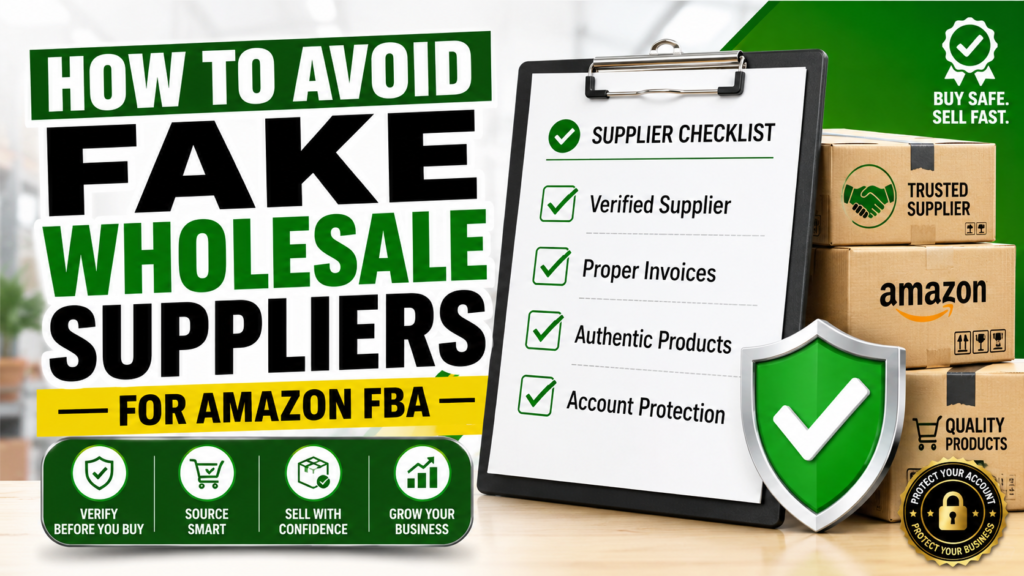
Fake wholesale suppliers can create serious problems for Amazon sellers, including poor product quality, invalid invoices, account health issues, listing complaints, and rejected approval requests. That is why seller verification is not just a smart step; it is part of protecting your business.
In our previous guide on brand authorization for Amazon sellers, we explained why proper brand approval and documentation matter. In this article, we will focus on how to avoid fake wholesale suppliers for Amazon FBA and how to make safer sourcing decisions.
To avoid fake wholesale suppliers for Amazon FBA, verify the company’s business details, check product authenticity, request proper wholesale invoices, review brand authorization support, avoid unrealistic pricing, and work with distributors that provide clear sourcing documentation. A verified wholesale distributor can help sellers keep better records and may help support Amazon approval requests, depending on Amazon’s category and marketplace requirements.
What Are Fake Wholesale Suppliers for Amazon FBA?
Fake wholesale suppliers are businesses or individuals that claim to sell authentic wholesale products but cannot properly prove their product source, distributor status, or brand relationship. Some may sell counterfeit products, liquidated goods without proper documentation, retail arbitrage items, or products that do not meet Amazon’s invoice standards.
Not every bad supplier is intentionally fraudulent. Some are simply unprofessional, unorganized, or not suitable for Amazon FBA sellers. The problem is that Amazon sellers need more than cheap products. They need authentic inventory, valid invoices, reliable communication, and documentation that can support business records.
A supplier may be risky if they:
- Cannot provide a proper business invoice
- Avoids sharing company details
- Offers branded products at prices that seem too low
- Uses unclear product sources
- Cannot explain brand authorization or distribution rights
- Pressures sellers to pay quickly
- Provides invoices that look edited, incomplete, or generic
For Amazon FBA, the supplier behind your inventory matters as much as the product itself.
Why Avoiding Fake Suppliers Matters for Amazon FBA Sellers
Amazon takes product authenticity, customer trust, and marketplace safety seriously. If a seller sources from a questionable supplier, the risk does not stay with the supplier — it can affect the seller’s account.
Fake or unreliable suppliers may lead to:
- Rejected ungating or approval requests
- Product authenticity complaints
- Invoice verification issues
- Intellectual property complaints
- Negative customer feedback
- Inventory removal
- Account health warnings
This is especially important for sellers working in branded categories. Amazon may ask for invoices, authorization letters, or additional documentation depending on the category, brand, and marketplace. Requirements may vary, so sellers should always source with clean records and realistic expectations.
A trusted supplier does not guarantee Amazon approval, but proper wholesale documentation may help support approval requests when Amazon reviews your account or product application.
Step-by-Step Guide to Avoid Fake Wholesale Suppliers
1. Check the Supplier’s Business Identity
Before placing an order, confirm that the supplier is a real business. Review their website, business name, address, contact details, and company background. A professional supplier should be transparent about who they are and what they offer.
You can also review their company information on their website, such as the About Us page, to understand their background, business model, and wholesale focus.
Avoid suppliers that only communicate through personal social media accounts, refuse to share business information, or have no clear online presence.
2. Review Their Wholesale Process
A real wholesale supplier usually has a proper onboarding process. They may ask for your business details, resale certificate, seller information, or wholesale application. This is a good sign because legitimate distributors usually want to work with real business buyers.
If you are looking to start wholesale sourcing, you can review the process to apply for a wholesale account and understand what a structured distributor application may look like.
Be careful with suppliers who accept anyone instantly without checking business details, especially for branded products.
3. Ask for Proper Wholesale Invoices
For Amazon FBA sellers, invoices are extremely important. A proper wholesale invoice should include the supplier’s business name, buyer details, product names, quantities, dates, and contact information.
Avoid suppliers who only provide:
- Screenshots
- Payment receipts without product details
- Handwritten notes
- Invoices with missing business information
- Documents that look edited or inconsistent
Amazon may review invoices during approval requests or authenticity checks. Clean sourcing records can help sellers stay organized and better prepared.
4. Watch Out for Unrealistic Pricing
If a supplier is offering branded products at prices that look too good to be true, slow down. Extremely low pricing can be a warning sign of counterfeit goods, expired inventory, damaged stock, or unauthorized sources.
Wholesale pricing should make business sense, but it should also be realistic. A verified distributor will usually focus on stable sourcing, authentic inventory, and proper documentation — not just the cheapest possible deal.
5. Confirm Brand Authorization Support
Some brands require sellers to provide invoices, authorization letters, or other documentation before selling. A supplier should clearly explain what documents they can and cannot provide.
Safe wording matters here. No supplier should promise “guaranteed ungating” or “guaranteed Amazon approval.” Amazon makes its own decisions, and requirements may vary by category and marketplace.
A reliable supplier can explain whether their documents may help support approval requests, depending on Amazon’s requirements.
6. Review Product Categories Carefully
Before buying inventory, make sure the products fit your business model, budget, and Amazon selling status. Some categories may require approval, while others may have brand restrictions.
You can explore available wholesale support and sourcing options through the distributor’s services page to better understand what kind of help may be available for Amazon sellers.
7. Test Communication Before Ordering
Supplier communication tells you a lot. A professional wholesale distributor should answer questions clearly, provide business information, and explain the ordering process without pressuring you.
Be cautious if the supplier:
- Avoids direct answers
- Pushes urgent payment
- Refuses documentation questions
- Changes pricing too often
- Uses unprofessional payment methods only
- Cannot explain shipping or product details
Good communication is part of good supplier verification.
Common Mistakes to Avoid
Many Amazon sellers lose money because they rush supplier selection. Here are common mistakes to avoid:
- Choosing the cheapest supplier without checking authenticity
- Buying branded products without understanding restrictions
- Trusting suppliers who promise guaranteed approval
- Ignoring invoice quality
- Not checking the supplier’s business background
- Ordering large quantities before testing the process
- Not keeping organized sourcing records
- Using suppliers who cannot explain product origin
A simple rule: if the supplier cannot support your business with clear documentation, they may not be the right fit for Amazon FBA wholesale sourcing.
How a Verified Wholesale Distributor Can Help
A verified wholesale distributor can make the sourcing process safer and more professional for Amazon sellers. Instead of guessing whether a supplier is real, sellers can work with a business that understands wholesale sourcing, invoicing, documentation, and product authenticity.
A professional distributor may help with:
- Access to wholesale product categories
- Proper wholesale invoices
- Better sourcing records
- Product authenticity support
- Brand authorization guidance where available
- Clear ordering process
- Distributor verification support
- More organized communication
This does not mean every product will be approved by Amazon. Amazon approval depends on its own policies, category requirements, brand restrictions, and marketplace rules. However, working with a proper distributor can help sellers build cleaner sourcing records and reduce unnecessary risk.
For sellers who want to start professionally, visiting the main distributor website at EN Distributions can be a useful first step to understand available wholesale options.
Final Thoughts
Avoiding fake wholesale suppliers for Amazon FBA is not only about protecting your money. It is about protecting your account, your customers, and your long-term business.
Before placing an order, take time to verify the supplier, review their invoices, understand their product sources, and ask the right questions. Do not rush into deals that look too cheap or suppliers that promise guaranteed results. In Amazon wholesale, clean documentation and authentic sourcing are more valuable than shortcuts.
If you are ready to source products more professionally, you can apply for a wholesale account, explore available wholesale services, or contact the distributor to learn which product categories may fit your Amazon FBA business.
FAQs
1. How can I tell if a wholesale supplier is fake?
A supplier may be fake or risky if they cannot provide proper business details, valid invoices, clear product information, or proof of authentic sourcing. Unrealistic pricing and pressure to pay quickly are also warning signs.
2. Can a wholesale invoice help with Amazon ungating?
A proper wholesale invoice may help support Amazon approval requests, depending on Amazon’s requirements, category rules, brand restrictions, and marketplace policies. It does not guarantee approval.
3. Should I buy from suppliers who promise guaranteed Amazon approval?
No. Sellers should be careful with anyone promising guaranteed ungating or guaranteed Amazon approval. Amazon makes the final decision, and requirements may vary.
4. What should a proper Amazon FBA wholesale invoice include?
A proper invoice should include the supplier’s business name, contact details, buyer information, product names, quantities, dates, and clear transaction details. It should look professional and verifiable.
5. Why is supplier verification important for Amazon sellers?
Supplier verification helps sellers reduce the risk of counterfeit products, poor documentation, invoice issues, and account health problems. It also helps keep better sourcing records for future Amazon reviews.