
In a major strategic shift, Amazon has announced it will close all of its Amazon Fresh and Amazon Go physical stores and significantly expand its Whole Foods Market footprint and grocery delivery services. This bold move marks one of the most consequential changes in the company’s grocery strategy in years, showing how the retail giant is rethinking its physical retail operations while capitalizing on areas where it sees stronger growth.
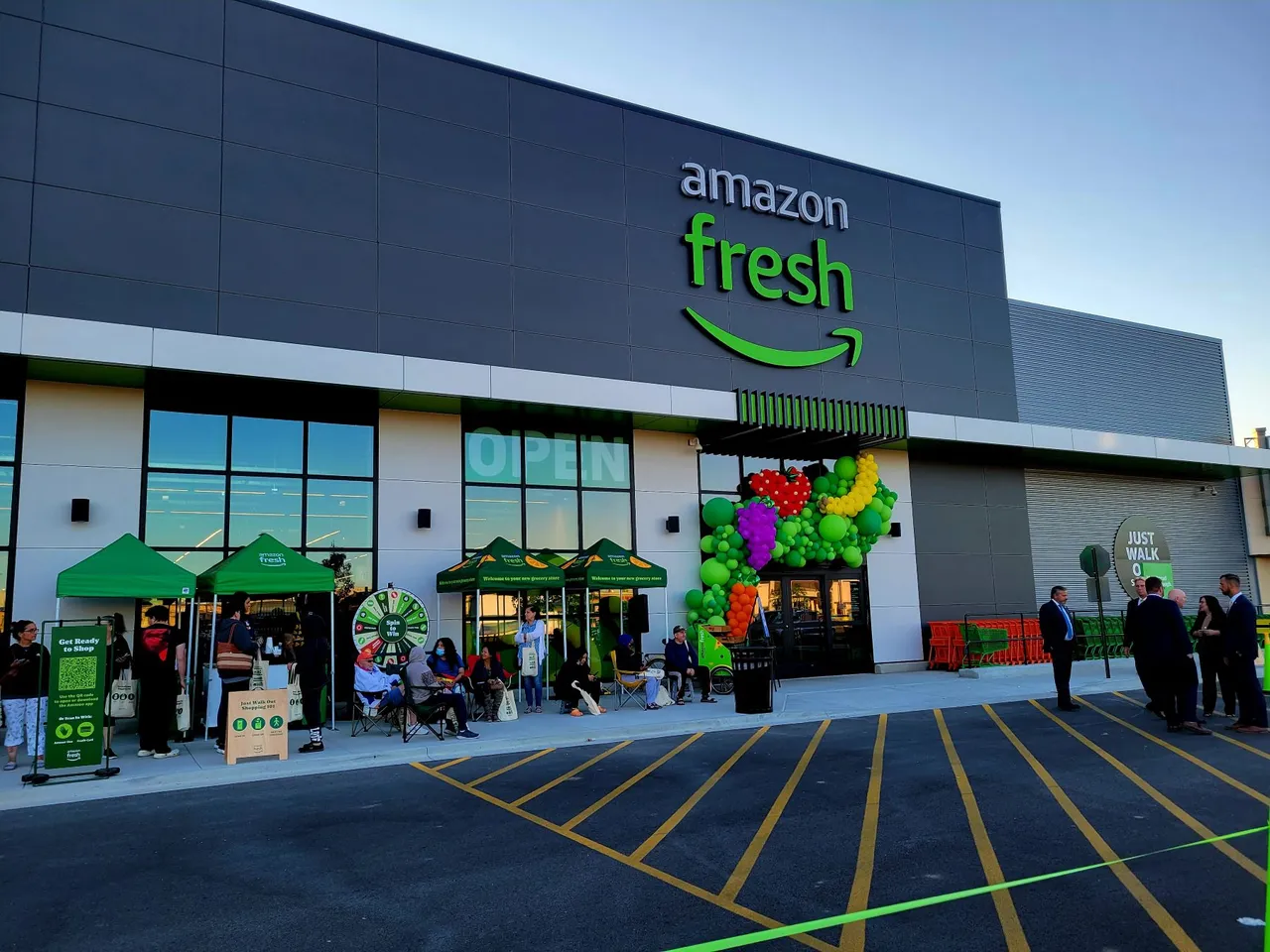
The closures affect dozens of Amazon Fresh supermarkets and Amazon Go convenience locations across the United States — with the last traditional Fresh store operations expected to wind down soon. Some of these store sites will be converted into new Whole Foods Market stores, part of an aggressive expansion plan that includes more than 100 upcoming locations.
At its core, this decision reflects Amazon’s recognition that its Fresh and Go physical formats have not achieved the economically scalable success the company anticipated. Meanwhile, the Whole Foods brand, acquired by Amazon in 2017, continues to grow in popularity and profitability, making it the centerpiece of the company’s grocery retail strategy.
A Strategic Reimagining of Grocery Retail
Amazon Fresh and Amazon Go were both ambitious experiments exploring new ways for customers to shop for food and everyday items — from fully cashierless convenience format to tech-enabled supermarkets. However, despite initial interest and innovation, these formats struggled to create a distinctive, cost-effective customer experience at scale. For example, the Fresh stores did not consistently draw shopper traffic comparable to legacy supermarkets, and operating margins remained thin.
By contrast, Whole Foods Market remains a strong and trusted brand in the organic and natural grocery space, with deep customer loyalty and a presence in hundreds of cities across the U.S. and beyond. Since Amazon’s acquisition of Whole Foods, the chain’s store count and sales have grown, prompting Amazon to prioritize this format as its main physical retail strategy in grocery.
To support this transition, Amazon is also leaning into same-day delivery services, including perishable grocery delivery through its online platform. The grocery segment has shown remarkable growth — with perishable grocery orders becoming some of the most-ordered items via Amazon’s online delivery services — reflecting a broader shift in consumer behavior toward home delivery.
What Will Happen to Fresh and Go Stores?
The exact number of Fresh and Go stores affected has been reported differently across outlets, but most indicate that all physical Amazon Fresh supermarkets and Amazon Go convenience stores will close. In many cases, these sites will either shut entirely or be rebranded and reopened as Whole Foods Market locations.
For existing Fresh and Go employees, Amazon has stated it will attempt to support affected workers by offering alternative roles within the company wherever possible, including within fulfillment centers and other parts of its retail organization. However, not all employees will necessarily transition into new roles, and local impacts will vary.
In parallel, Amazon is exploring new physical retail formats that combine grocery, household essentials, and general merchandise — an indication that the company isn’t abandoning brick-and-mortar altogether but rather seeking a more sustainable model.
Why Whole Foods?
Whole Foods Market holds several strategic advantages that make it a more durable centerpiece for Amazon’s grocery ambitions:
1. A Strong Brand Identity
Whole Foods has cultivated a reputation for high-quality, organic, and specialty foods. Its established customer base is far broader and more loyal than that of Amazon Fresh’s supermarkets or Amazon Go convenience outlets.
2. Profitability Potential
Whole Foods stores often generate higher profit margins compared to the largely experimental Fresh and Go formats, making them more appealing from a business-model perspective.
3. Versatile Store Formats
In addition to traditional Whole Foods supermarkets, Amazon is introducing smaller “Whole Foods Market Daily Shop” locations — curated convenience formats that offer everyday essentials alongside quick meals and drinks. These smaller stores are part of a hybrid approach, retaining the Whole Foods brand while delivering convenience similar to what Fresh and Go had aimed to achieve.
4. Integration With Delivery
Amazon has seamlessly integrated Whole Foods into its same-day grocery delivery services, allowing customers to order fresh produce, dairy, meat, and other essentials alongside other Amazon.com purchases.
Impact on Consumers
For consumers, this shift brings both challenges and benefits:
- 📉 Less Variety in Store Formats: Shoppers who liked the tech-driven Fresh or Go experiences may miss the convenience of those formats.
- 🛒 More Whole Foods Access: Expanded Whole Foods presence means more options for organic, specialty, and fresh food shopping.
- 🚚 Stronger Delivery Options: Continued investment in online grocery delivery and curbside pickup allows customers to receive fresh groceries at home, often within hours.
- 🏙️ Localized Changes: In some regions, especially California, Fresh and Go stores may remain open slightly longer due to state regulations, giving customers more time to transition to alternative options.
Impact on the Grocery Retail Industry
Amazon’s move has broader implications for the grocery sector:
✔ Intensified Competition: Traditional players like Walmart, Kroger, and Target — all with strong physical and online grocery infrastructures — may benefit as Amazon reshapes its retail footprint.
✔ Tech in Retail: Amazon’s Just Walk Out technology — originally showcased in Go stores — will continue to live on through licensing to third-party retailers and use in non-grocery settings.
✔ Future Store Concepts: Amazon’s experimentation with large-format “supercenter” stores and integrated grocery concepts signals ongoing innovation in the retail space.
What This Means for Employees
While Amazon has pledged to support affected staff with alternative roles where possible, the closures will inevitably mean job transitions for many grocery store employees. Amazon’s sheer scale means internal redeployment opportunities exist, but not all roles will align with every worker’s skills or location.
Conclusion
Amazon’s decision to shutter its physical Amazon Fresh and Go stores represents a recalibration of its grocery retail ambitions. By focusing on the expansion of Whole Foods Market and online/ delivery services, Amazon is aligning its investment with areas that show stronger consumer demand and profitability. While some shoppers and employees will feel the impact of store closures, the shift positions Amazon for deeper integration into everyday grocery shopping — both online and in physical Whole Foods stores — shaping the future of food retail in the years ahead.